
Scammers Exploiting COVID-19 Fears, Stimulus Checks, Fake Cures, and Charitable Contributions
Direct answer: COVID-19 themed scammers exploit urgency and fear to steal credentials, money, and personal data through phishing messages about stimulus checks, fake cures, online account access, and fake charity requests.
Earlier posts such as "Easy Fix Remote Work Cyber Security Checklist," "Management, Director and Employee Responsibilities," and "Cybersecurity COVID-19 Guidelines for Small and Large Businesses" discussed remote-work risk. This post highlights active scam patterns seen during that period.
Attackers use current events and money concerns to push malicious emails and links. The same period also saw incidents such as Zoom meeting disruptions, which increased awareness around meeting and account security controls.
What COVID-19 scam themes were most commonly exploited?
The source article highlights the following themes frequently used in scam and phishing campaigns:
- Stimulus checks
- Free offers
- Refunds and returns
- Fake cures
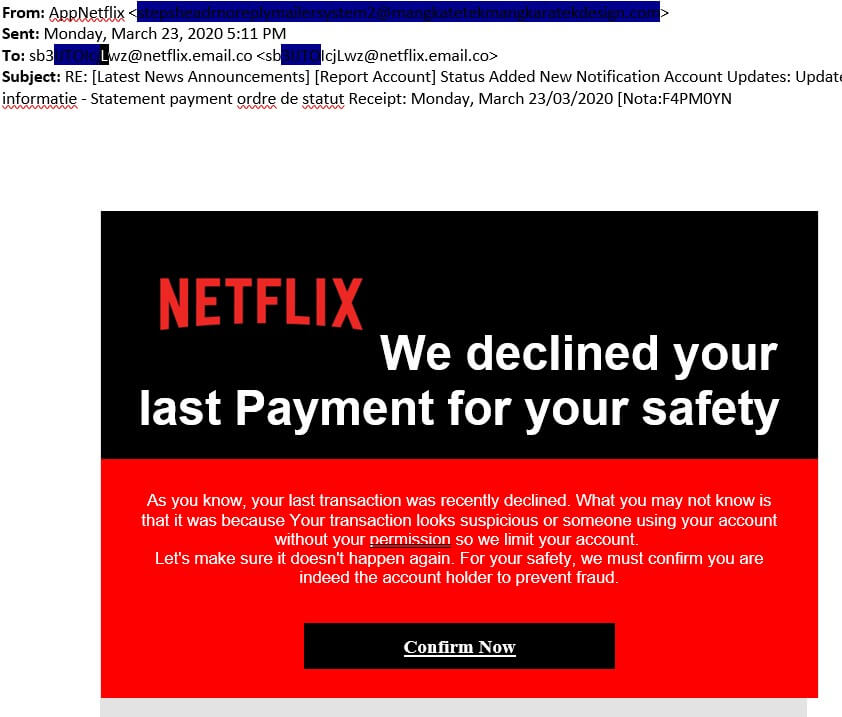
- Access to online platforms (Netflix, Amazon Prime, memberships)
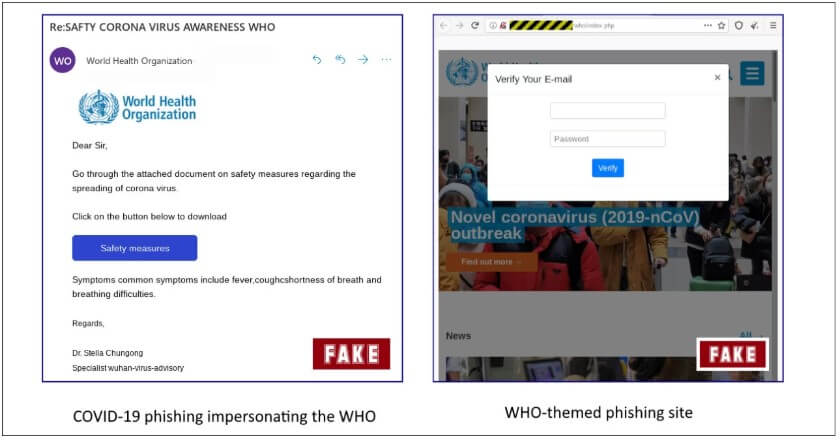
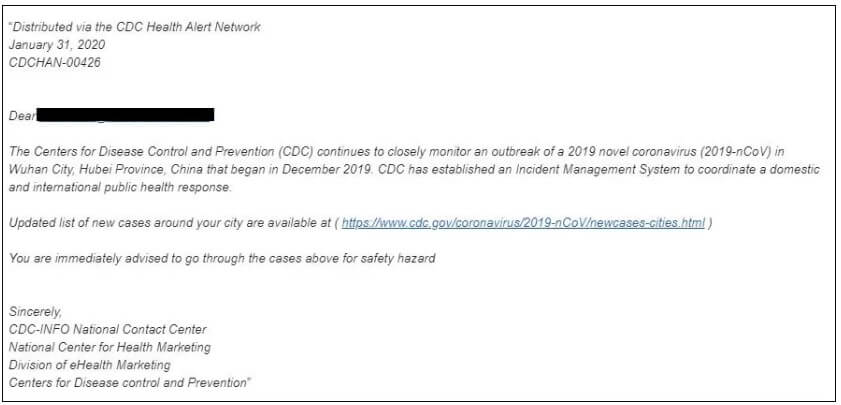
- Announcements claiming to be from CDC, WHO, and similar organizations
- Charitable contributions
How can you quickly spot COVID-19 phishing emails?
Phishing emails often look official. Use these quick checks before clicking links, opening attachments, or sharing information:
- Hover over links and verify destination domains
- Watch for mismatched or misleading URLs
- Look for grammar/spelling issues and poor branding
- Treat image-only email bodies with caution
- Reject messages asking for personal information
- Do not open suspicious attachments
- Be cautious of urgent pressure language
- Verify sender email address authenticity
- Treat offers that seem too good to be true as suspicious
- Question requests for actions you did not initiate
- Reject requests to send money to "cover expenses"
- Ignore unrealistic threat-based messaging
- Check for unusual login or account activity
What real-world phishing examples were in circulation?
The post shared these example patterns from live phishing campaigns:
Email 1: Access to online platforms
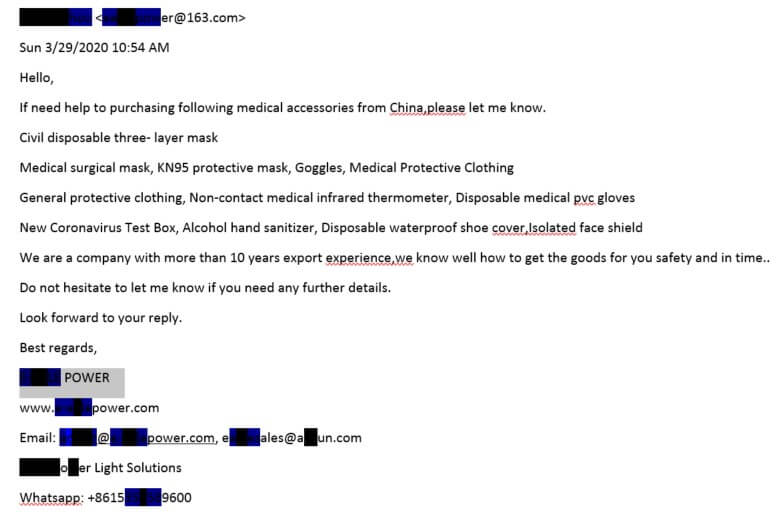
Email 2: Fake medical supplies
Email 3: WHO and CDC impersonation emails
Key Takeaways
- COVID-19 scam campaigns heavily used urgency, fear, and authority impersonation.
- High-risk bait included stimulus checks, fake cures, fake platform access notices, and charity appeals.
- Simple validation checks on links, sender identity, and message intent prevent many phishing losses.
- Security awareness should include real example walkthroughs so users recognize attack patterns faster.
Related Resources
Related Posts
COVID -19 Quick Check For Fraud
COVID-19 quick fraud check with internal and external fraud basics, ACFE industry schemes, corruption risks, and a practical review checklist.
Read More
COVID-19 & Fraud
COVID-19 and fraud guidance covering detection techniques, internal and external fraud types, common schemes, and response actions.
Read More
Cyber Attacks On Increase During Covid-19
COVID-19 cyberattack trends including phishing and spam surge indicators, advisories, and practical steps organizations can use to reduce exposure.
Read More
GRC Insights That Matter
Exclusive updates on governance, risk, compliance, privacy, and audits — straight from industry experts.