CONSENT MANAGEMENT
Discover, Map, and Govern Personal Data —
For DPDP Compliance
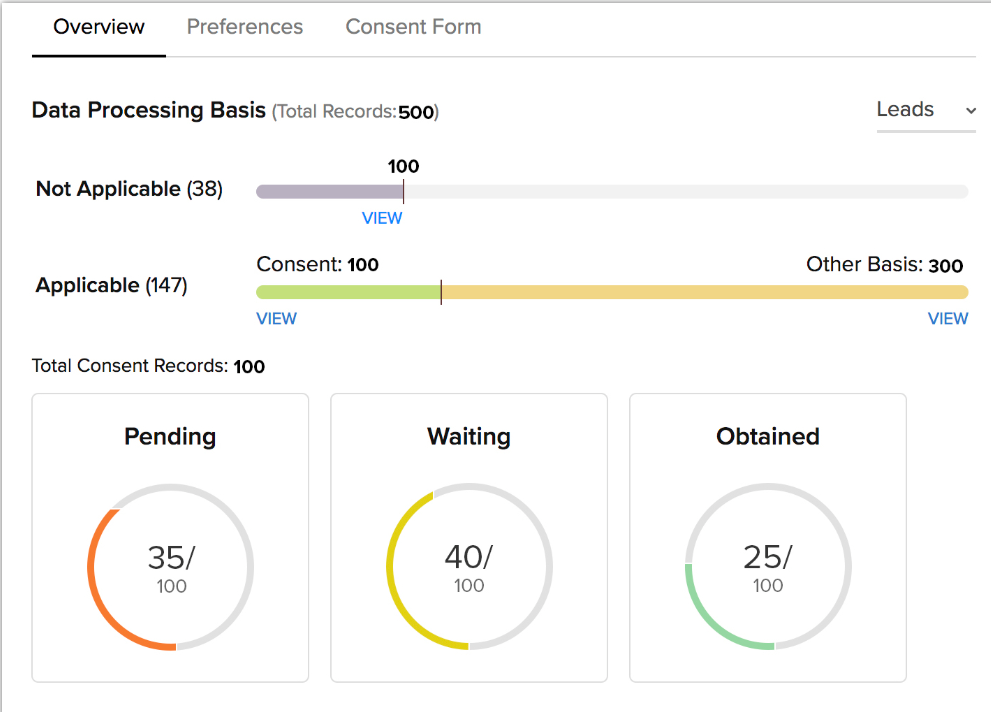
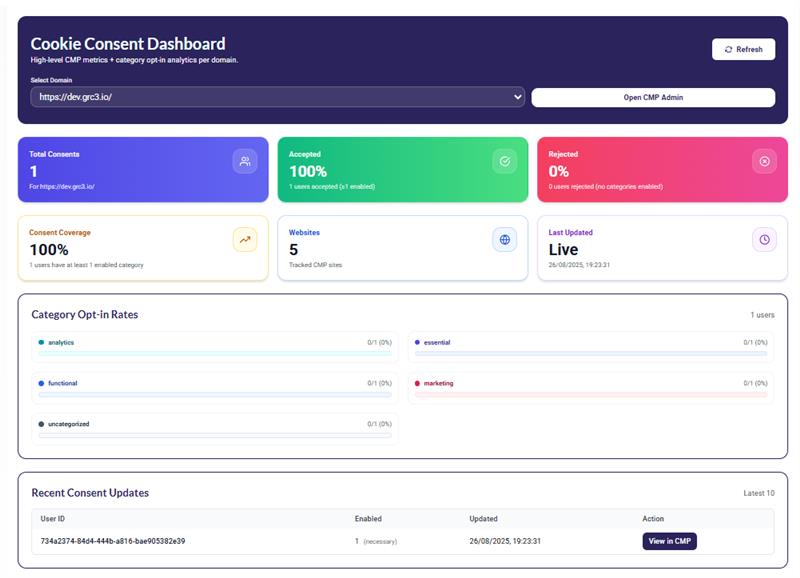
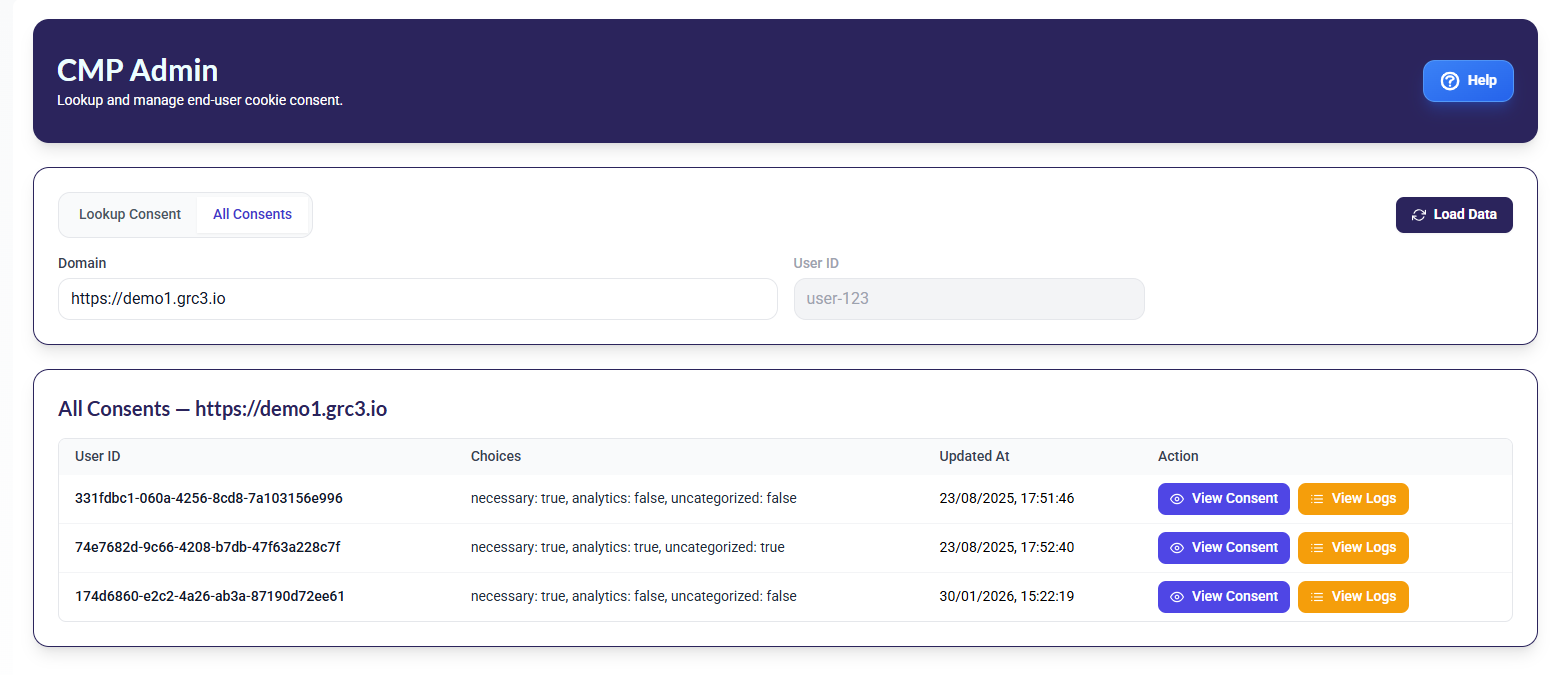
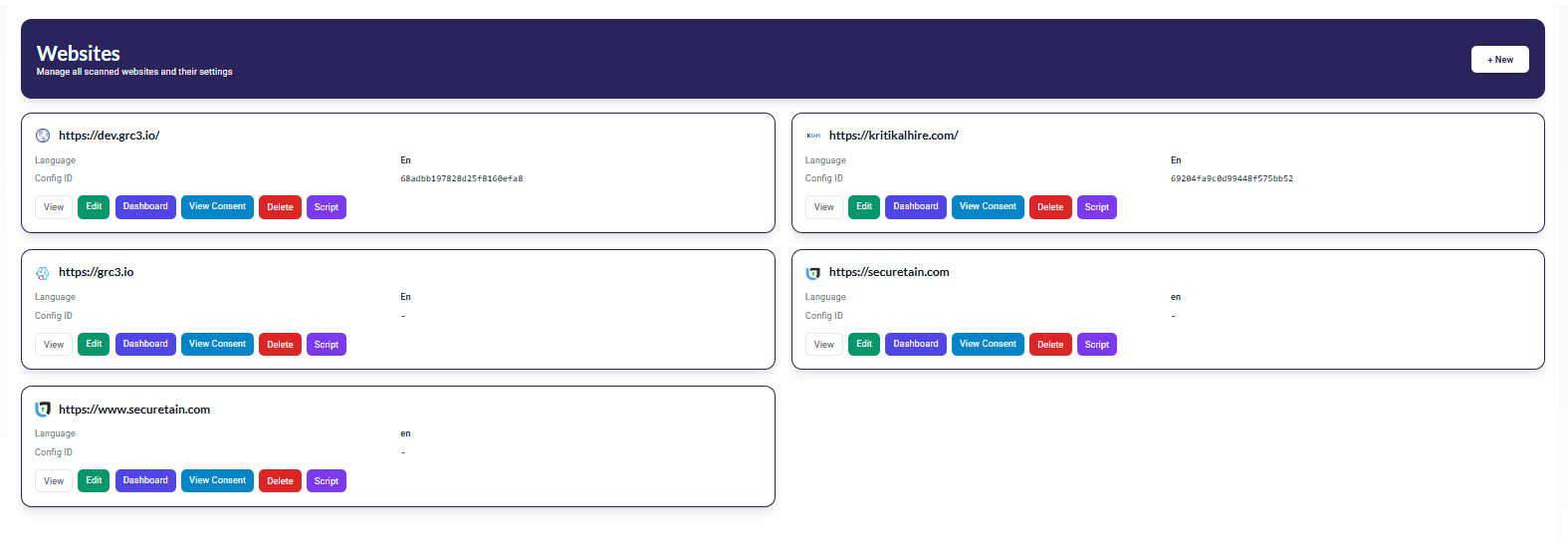
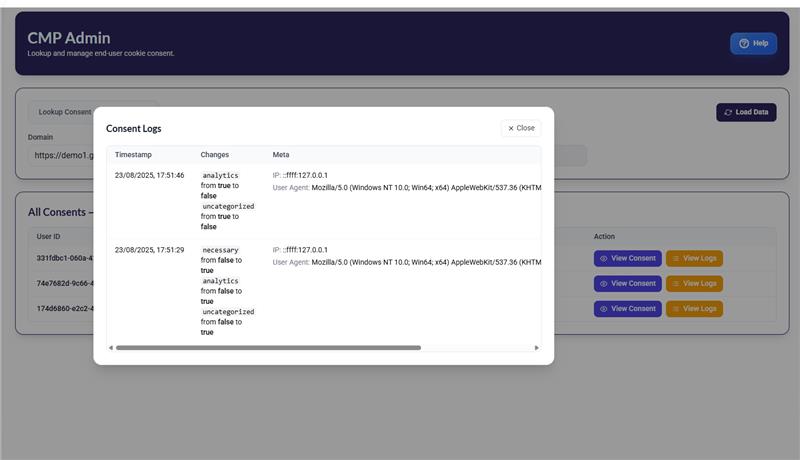
Capture consent across webforms, apps, and systems with centralized control, compliance workflows, and complete audit trails.
OR
Empower teams to discover and govern personal data in line with DPDP requirements
Discover all your structured, unstructured, and semi-structured data and AI—wherever it lives
✓
Scan across cloud, SaaS, on-prem, messaging apps, data lakes, AI pipelines, and hybrid environments
✓
Uncover shadow data, dark data, and unknown assets across your enterprise
✓
Refine, customize, and optimize classification models to your specific environment and data types
Classify sensitive, personal, regulated, and toxic combinations of data with unmatched precision
✓
Use advanced ML, NLP, and pattern recognition to identify PII, PHI, credentials, secrets, and sensitive data clusters
✓
Tune classifiers to your specific environment for higher accuracy and fewer false positives
✓
Go beyond finding: quarantine, remediate, delete, minimize, label, and automate action across sensitive and regulated data assets
Take action to remediate risk, enforce policy, and power security controls at scale
✓
Automate remediation: quarantine, redact, delete, minimize, or label sensitive data
✓
Apply policy-driven controls for privacy, security, retention, and residency across your data landscape
✓
Identify data fueling copilots, chatbots, and AI models to enable responsible AI development with full risk visibility.
Fast, Flexible, Precise.
Grc3 combines classifier tuning, intuitive data exploration, and easy scanning to turn data discovery into a strategic advantage.
Data Explorer lets you visualize, filter, and drill into discovered data – turning discovery into actionable intelligence without heavy manual effort.
Frequently asked questions
Still have questions? Book demo with us.
Data discovery is the process of identifying and locating personal data across systems, databases, and files. It helps organizations understand what data they hold, where it is stored, and how it is used for DPDP compliance.
The DPDP Act requires organizations to know and manage personal data responsibly. Data discovery provides visibility into personal data, enabling compliance, risk reduction, and better governance.
Data discovery can identify both structured and unstructured personal data, including names, contact details, IDs, financial data, and other identifiable information across systems.
Data discovery should be performed across all systems, including databases, cloud storage, applications, file systems, and third-party tools where personal data may exist.
Data discovery helps create a clear inventory of personal data, supports data mapping, enables retention management, and ensures organizations can respond to data subject requests effectively.
No, data discovery should be a continuous process. As data is constantly created, updated, and shared, organizations need ongoing visibility to stay compliant.
Data discovery identifies where personal data exists, while data mapping shows how that data flows across systems and processes.
Yes, by identifying unknown or unmanaged data, organizations can reduce risk, prevent data misuse, and ensure proper governance under DPDP.