
Compliance frameworks are essential tools for organizations to manage risk, ensure regulatory compliance, and improve governance. Frameworks like ISO 27001, SOC 2, and GDPR not only help businesses protect sensitive data but also avoid penalties, strengthen trust, and stay compliant with industry regulations. Learn more about why compliance frameworks are vital for modern businesses.
What Are Compliance Frameworks and Why Are They Important for Businesses?
Compliance frameworks are structured sets of guidelines that organizations adopt to ensure they meet legal, regulatory, and security standards. These frameworks help businesses manage risk, protect sensitive data, and safeguard personal information, enabling them to operate securely and in accordance with laws such as the GDPR or SOC 2.
For businesses, the adoption of a compliance framework is not just about avoiding penalties; it's about fostering a culture of governance and transparency that builds trust with clients, partners, and regulators. These frameworks are vital for operational efficiency and for businesses aiming to comply with the evolving global data protection laws.
Read also: Personal Data Search for DPDP Compliance in India
Top 10 Compliance Frameworks Every Organization Should Know
Here are 10 essential compliance frameworks that businesses should be aware of:
- ISO 27001 - Information Security Management System
- SOC 2 - Trust Services Criteria
- GDPR - General Data Protection Regulation
- HIPAA - Health Insurance Portability and Accountability Act
- PCI DSS - Payment Card Industry Data Security Standard
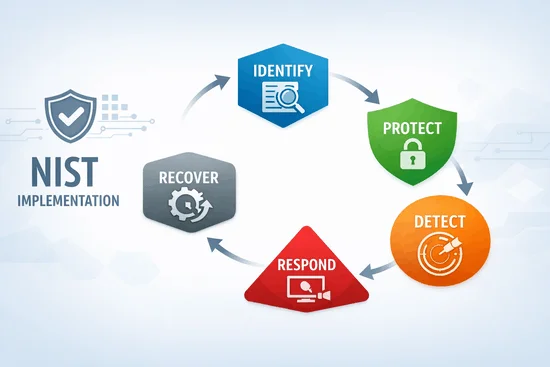
- NIST Cybersecurity Framework - National Institute of Standards and Technology
- CMMC - Cybersecurity Maturity Model Certification
- FedRAMP - Federal Risk and Authorization Management Program
- SOX - Sarbanes-Oxley Act
- COBIT - Control Objectives for Information and Related Technologies
These frameworks are designed to help businesses comply with regulations, minimize risks, and enhance overall data security and governance.
Read also: Centralized ROPA & Data Inventory for DPDP
Key Compliance Frameworks for Risk Management and Data Security
Compliance frameworks play a pivotal role in identifying, managing, and mitigating both operational and security risks. They provide businesses with the tools necessary to address these risks effectively.
ISO 27001:
This framework focuses on information security and risk management to ensure that sensitive data is protected, and organizational systems are secure.
SOC 2:
Particularly crucial for service organizations, SOC 2 evaluates the management of data based on five trust criteria-security, availability, processing integrity, confidentiality, and privacy.
GDPR:
This regulation governs the collection, storage, and processing of personal data, ensuring that businesses follow strict data protection guidelines and safeguard individuals' privacy.
These frameworks help organizations establish robust risk management practices and ensure data security.
Read also: How Data Privacy Breaches Impact Reputation (DPDP)
ISO 27001, SOC 2, GDPR, and Other Leading Compliance Frameworks Explained
ISO 27001:
ISO 27001 is an international standard for managing information security. It sets criteria for establishing, implementing, and maintaining an information security management system (ISMS) to protect sensitive data.
SOC 2:
SOC 2 is a framework for service organizations to ensure that data is handled securely in compliance with privacy standards. It focuses on the five trust services criteria-security, availability, processing integrity, confidentiality, and privacy.
GDPR:
GDPR is a European Union regulation aimed at protecting the privacy and data of individuals in the EU. It outlines clear guidelines for businesses in terms of data collection, processing, storage, and transfer to ensure the privacy and security of personal information.
These frameworks offer structured solutions to help businesses manage risk, data security, and compliance.
Read also: Encryption for DPDP Compliance in India
How Compliance Frameworks Help You Stay Compliant and Avoid Penalties?
Adhering to compliance frameworks ensures that organizations follow best practices, mitigating risks and avoiding severe penalties. Non-compliance can lead to hefty fines, data breaches, and reputational damage.
By following frameworks like ISO 27001 or GDPR, businesses reduce the likelihood of penalties and demonstrate to customers and partners that they prioritize security and privacy, which in turn helps to build trust and reduce operational and financial risks.
Read also: Building Internal Support for DPDP Privacy Programs
Global vs. Industry-Specific Compliance Frameworks: What's the Difference?
Compliance frameworks can be divided into two categories: global frameworks and industry-specific frameworks.
Global Frameworks:
These frameworks are applicable to any business, regardless of the industry. For example, ISO 27001 is a global standard for information security management applicable across all sectors.
Industry-Specific Frameworks:
These frameworks are tailored to meet the specific needs of individual sectors. For example:
- HIPAA applies to healthcare organizations.
- PCI DSS focuses on securing payment card data for businesses in the financial sector.
Choosing the right framework depends on your organization's industry and specific regulatory requirements.
Read also: PII vs Personal Data Under DPDP Act
Understanding the Benefits of Compliance Frameworks for Data Privacy and Security
Compliance frameworks are essential for managing data privacy and security. They establish the necessary controls to protect sensitive information and ensure its confidentiality, integrity, and availability.
Frameworks like SOC 2 and GDPR enable organizations to:
- Protect personal data and customer information from unauthorized access
- Comply with data privacy laws and industry regulations
- Build stakeholder trust by ensuring transparency and accountability in data handling
Adopting these frameworks significantly reduces the risk of data breaches and enhances overall data governance practices.
Read also: AI & IoT Impact on Privacy Under DPDP
Choosing the Right Compliance Framework: A Step-by-Step Guide
Choosing the appropriate compliance framework is vital for ensuring your business meets legal requirements and secures sensitive information. Here's how to go about selecting the right one:
- Evaluate Your Industry's Needs:
Some frameworks are designed specifically for certain industries, such as HIPAA for healthcare or PCI DSS for payment systems. - Consider Your Organization's Size and Risk Level:
Larger organizations or those handling sensitive data may need comprehensive frameworks like ISO 27001. - Assess the Regulatory Requirements:
Make sure the framework you choose aligns with both local and international regulations relevant to your business.
Read also: Data Discovery in DPDP Privacy Programs
Why Every Business Needs a Compliance Framework for Regulatory Compliance?
Compliance frameworks are essential for maintaining regulatory compliance and protecting organizations from the financial, operational, and reputational risks associated with non-compliance. A robust compliance framework:
- Helps you meet regulatory requirements and reduce the risk of penalties
- Enhances data security, ensuring sensitive information is protected from breaches
- Provides transparency in operations and improves corporate governance
Adopting a compliance framework is a proactive step toward ensuring long-term business sustainability and trustworthiness.
Read also: DPDP Act Webinar: Business Guide
The Impact of Compliance Frameworks on Risk Mitigation and Governance
Compliance frameworks are not just about meeting regulations-they are also about risk mitigation. They help businesses identify potential risks and implement measures to prevent them. Frameworks like ISO 27001 focus on cybersecurity risk management, while others like SOC 2 ensure service availability and data privacy.
By implementing these frameworks, businesses can improve their overall governance and reduce exposure to both operational and compliance risks.
Read also: Data Subject Requests (DSR) Under DPDP
Future Trends in Compliance Frameworks: What's Changing in 2026?
As the business landscape evolves, so do compliance frameworks. By 2026, we can expect:
- Increased focus on cloud security and frameworks for cloud-based services
- New regulations to address emerging technologies like AI and blockchain
- Enhanced data privacy standards in response to global security challenges
Organizations must stay ahead of these trends to remain compliant and secure in an increasingly complex regulatory environment.
How Compliance Frameworks Support Continuous Improvement and Adaptability?
Compliance frameworks are designed to be adaptable, enabling continuous improvement. They help businesses:
- Stay agile in the face of changing regulations and new risks
- Foster a culture of continuous improvement by regularly assessing and updating controls
- Optimize internal processes to align with the latest best practices
By embracing this adaptability, organizations can ensure they remain compliant and resilient over time.
Read also: Why a Data Inventory Is Essential
Measuring the Effectiveness of Your Compliance Framework
To ensure the success of your compliance framework, regular measurement is essential. Key metrics for evaluating framework effectiveness include:
- Audit results
- Compliance reports
- Incident tracking and mitigation
Measuring the effectiveness of your framework ensures that you can make informed adjustments to stay compliant and secure.
Read also: ROPA Under DPDP
Conclusion
Incorporating a compliance framework into your GRC strategy is essential for businesses looking to safeguard sensitive data, meet regulatory requirements, and mitigate risk. Whether you are just starting out or refining your existing processes, selecting the right framework will pave the way for a more secure and compliant future.
If you would like guidance on strengthening your DPDP compliance framework or understanding how governance, risk, and compliance tools can support your organization, feel free to contact us for assistance.
You can also visit our website to explore how modern GRC platforms help organizations manage data protection, risk management, and regulatory compliance in a more structured and scalable way.
FAQs
A compliance framework is a set of guidelines, standards, and best practices that organizations follow to ensure they meet legal, regulatory, and industry requirements.
GRC Insights That Matter
Exclusive updates on governance, risk, compliance, privacy, and audits — straight from industry experts.
Related Posts