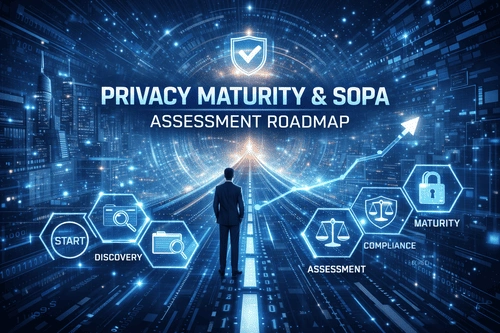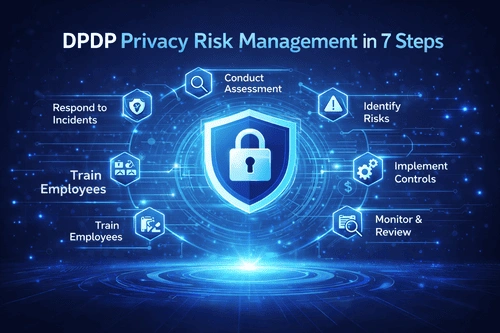

A DPDP Privacy Maturity Report is a structured assessment that evaluates an organization's data protection practices against the Digital Personal Data Protection Act, 2023.
It helps identify compliance gaps, assess privacy risks, and create a roadmap to improve governance, accountability, and regulatory readiness.
What Is a Privacy Maturity Report Under the DPDP Act?
A Privacy Maturity Report is an evaluation of how effectively an organization manages personal data in line with DPDP requirements.
It helps organizations:
- Assess current privacy and compliance posture
- Identify risks and gaps in data processing
- Measure maturity against industry standards
- Define actionable improvement plans
It acts as a health check for your privacy program.
Read also: What Is Data Discovery Under DPDP Act?
Why Is DPDP Compliance Important for Organizations?
The Digital Personal Data Protection Act, 2023 requires organizations to process personal data responsibly and securely.
Non-compliance can lead to:
- Regulatory penalties
- Reputational damage
- Loss of customer trust
DPDP compliance is essential for business continuity and stakeholder confidence.
Read also: What is a Data Fiduciary Under DPDP?
Who Should Use a DPDP Privacy Maturity Report?
A Privacy Maturity Report is valuable for any organization handling personal data.
It is especially useful for:
- Privacy and compliance teams
- Risk management professionals
- Legal departments
- Senior leadership and decision-makers
Organizations with large-scale or complex data processing benefit the most.
Read also: Vendor Risk Management Under DPDP (2026 Compliance Guide)
What Is Included in a DPDP Privacy Maturity Report?
A comprehensive report provides a detailed view of privacy practices and compliance status.
It typically includes:
- Overview of personal data processing activities
- Identification of privacy risks and compliance gaps
- Current DPDP compliance status
- Privacy maturity assessment
- Recommendations aligned with business goals
- Roadmap for improving compliance
It provides a complete view of your data protection framework.
Read also: DPDP vs GDPR Comparison (2026 Guide for Global Compliance)
What Are the Benefits of a Privacy Maturity Report?
A Privacy Maturity Report provides both compliance and strategic benefits.
Key advantages include:
- Clear roadmap for improving privacy programs
- Increased transparency in data processing
- Better decision-making for leadership
- Early identification of risks
- Improved regulatory readiness
- Enhanced customer trust
It supports proactive and sustainable compliance.
Read also: DPDP Penalties in India: Fines Under DPDP Act 2023
What Is SOPA (State of Privacy Assessment)?
SOPA (State of Privacy Assessment) is an independent assessment used to evaluate an organization's privacy maturity under DPDP.
It helps organizations:
- Understand their compliance posture
- Identify vulnerabilities
- Take corrective action
SOPA is the foundation of a Privacy Maturity Report.
What Are the Types of SOPA Assessments?
SOPA is available in two main formats:
SOPA:
- Standard privacy assessment
- High-level insights and recommendations
SOPA Plus:
- Detailed risk register
- Executive summary for leadership
- Advanced mitigation strategies
SOPA Plus is ideal for organizations starting or scaling their DPDP compliance journey.
Read also: DPDP DPIA Requirements (2026 Guide for Risk Assessment)
How Does SOPA Work?
SOPA is based on the NIST Privacy Framework, adapted for DPDP compliance.
It includes five core functions:
- Identify — Map personal data processing activities
- Govern — Establish policies and accountability
- Control — Ensure lawful processing of data
- Communicate — Maintain transparency with stakeholders
- Protect — Secure personal data with safeguards
This framework ensures structured privacy risk management.
How Does a Privacy Maturity Report Help Global Organizations?
For organizations operating across multiple regions, a Privacy Maturity Report helps:
- Align global privacy standards with DPDP
- Ensure compliance with Indian regulations
- Maintain consistency across jurisdictions
It supports both local compliance and global governance.
Read also: DPDP Data Inventory & Mapping Guide (2026 Compliance Framework)
Why Should Organizations Conduct a SOPA Assessment?
Organizations should conduct a SOPA assessment to:
- Measure privacy maturity
- Identify compliance gaps
- Strengthen data protection practices
- Prepare for audits and regulatory scrutiny
It provides a clear starting point for DPDP compliance.
Read also: DPDP Consent Management Requirements (2026 Guide)
Key Takeaways
- DPDP requires strong privacy governance
- A Privacy Maturity Report identifies risks and gaps
- SOPA helps assess compliance maturity
- Structured assessments improve accountability
- Proactive privacy management builds trust
Read also: DPDP Compliance Software in India (2026 Buyer's Guide)
Conclusion
The DPDP Act, 2023 requires organizations to demonstrate accountability and manage personal data responsibly.
A DPDP Privacy Maturity Report helps organizations:
- Evaluate current compliance status
- Identify risks and improvement areas
- Build a structured privacy program
- Enhance trust with stakeholders
In today's regulatory environment, a maturity assessment is not optional - it is essential for effective and scalable DPDP compliance.
FAQs
A DPDP Privacy Maturity Report is a structured assessment that evaluates an organization's data protection practices against DPDP requirements. It helps identify gaps, risks, and areas for improvement.
Related Posts